
Capstone Project
캡스톤 프로젝트
캡스톤 프로젝트는 학생이 한 주제를 길게 파고들어 연구·제작·문제해결의 결과물을 스스로 완성하는 종합 프로젝트다.

이렇게 함께합니다.
학생이 세상의 진짜 문제 하나를 직접 풀어 손에 잡히는 결과물로 만들도록, 멘토가 1:1로 곁에서 자문합니다. 대신 만들어 드리지 않습니다. 학생이 직접 만듭니다.
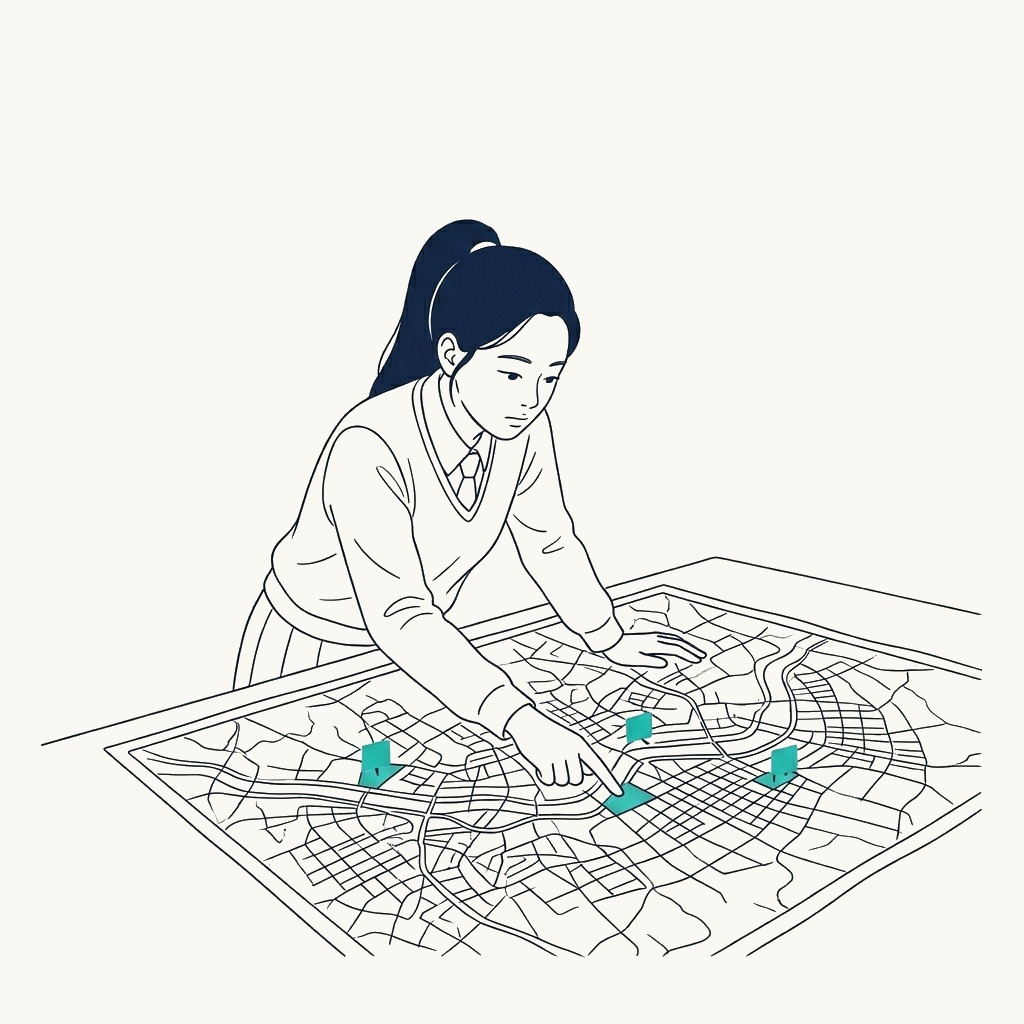

- 01진짜 문제를 고릅니다학생이 마음 쓰는 세상의 문제 하나를 고르고, 고등학생이 실제로 손댈 수 있는 크기로 좁힙니다.
- 02만들 것을 설계합니다무엇을(프로토타입·소프트웨어·분석·정책 제안 등) 어떻게 만들지, 일정을 함께 짭니다.
- 03직접 만들고 다듬습니다제작은 학생이 합니다. 멘토는 매주 리뷰로 막힌 데를 뚫고, 되풀이해 다듬게 합니다.
- 04결과물과 과정을 남깁니다손에 잡히는 결과물과 그 과정 기록을 그대로 원서 스토리로 잇습니다.
합니다
문제 좁히기 · 설계 · 매주 자문 · 제작 방향 안내 · 원서 연결
하지 않습니다
학생 대신 결과물을 만들어 주는 것 · 합격을 약속하는 것
프로젝트 하나에 가격 하나. 성공보수는 없습니다. 상담 신청을 남기면 지금 아이 관심으로 어떤 캡스톤이 가능한지 같이 봅니다.
무엇인가
캡스톤은 보통 고등학교 마지막 단계에서 한 주제를 끝까지 파는 프로젝트다. 짧으면 몇 달, 길면 1년 가까이 걸린다. 흐름은 대체로 정한다. 주제를 좁히고, 자료를 모으고, 계획을 세우고, 만들고, 고치고, 마지막에 발표한다. 핵심은 결과물이다. 시험 점수가 아니라 손에 잡히는 산출물을 남긴다. 논문일 수도, 만든 제품일 수도, 지역 문제를 풀어낸 캠페인일 수도 있다. 그 과정에서 학생은 여러 과목의 지식을 한데 끌어와 실제 문제에 붙인다. 학교 정규 과정 안에서 운영되는 형태도 있다. 미국의 AP® 캡스톤(AP Seminar + AP Research), IB 디플로마의 확장 에세이(Extended Essay, 약 4,000단어 독립 연구), 영국 식스폼의 EPQ가 대표적인 공식 트랙이다. 학교 밖에서 멘토와 함께 독립적으로 진행하기도 한다.
유형
크게 세 갈래로 나뉜다. 연구형. 한 질문을 잡고 자료와 데이터로 답을 쓴다. 논문이나 보고서가 결과물이다. IB 확장 에세이, AP Research, EPQ 보고서형이 여기 든다. 제작형. 무언가를 직접 만든다. 앱, 제품, 단편 영화, 작품집, 디자인. 결과물이 물건이나 작품이다. EPQ도 보고서 대신 제작물 트랙을 고를 수 있다. 사회참여형. 지역이나 사회의 실제 문제를 잡고 해결을 시도한다. 캠페인, 비영리 활동, 창업형 프로젝트가 여기 든다. 세 갈래는 섞이기도 한다. 사회 문제를 연구로 분석한 뒤 제작물로 풀어내는 식이다.
한국 학생이 하는 법
한국 학생은 두 경로로 한다. 학교 트랙 안에서. IB나 AP를 운영하는 국제학교·외국인학교 학생은 확장 에세이, AP Research, EPQ를 정규 과정으로 수행한다. 학교 지정 지도교사가 붙는다. 학교 밖 독립 프로젝트로. 정규 캡스톤 과정이 없는 학생은 본인 주제를 정해 따로 진행한다. 시작은 좁히는 데서 한다. 막연히 큰 주제 말고, 끝까지 마무리할 수 있는 한 질문으로 줄인다. 그다음 일정을 짜고, 자료를 모으고, 결과물 형태를 정한다. 발표나 공개로 마무리한다. 주의할 점. 한국 학생이 자주 빠지는 함정은 주제가 너무 크고, 결과물이 흐지부지된다는 것이다. 작아도 끝까지 마친 프로젝트가 크게 벌여놓고 못 끝낸 것보다 낫다. 인용은 실제 출처로 그라운딩한다. 만든 척, 한 척은 면접에서 드러난다.
입시에서의 의미
미국. 캡스톤은 지적 호기심과 끝까지 해내는 힘을 보여주는 신호로 평가된다. 다만 합격을 약속하지 않는다. 미국 대학 다수는 성적만으로 평가하기도 하고, 캡스톤은 지원서의 한 조각일 뿐이다. 비중은 학교마다 다르다. AP 캡스톤은 미국 대학에 친숙하다. 영국. EPQ는 UCAS 타리프 점수가 붙는 공식 자격이다. A*는 28점, A 24점으로 AS 레벨보다 높다. 일부 대학은 EPQ 수행 학생에게 조건부 합격 기준을 낮춰주기도 한다. 2026학년도부터 UCAS 개인 진술서는 세 질문 형식으로 바뀌었고, "정규 교육 밖에서 무엇을 준비했나"를 묻는다. 캡스톤은 여기에 쓸 재료가 된다. 공통. 캡스톤은 약속이 아니라 증거다. 합격을 사는 것이 아니라, 관심과 실행력을 보여주는 자료다.
캡스톤 프로젝트와 EPQ, IB 확장 에세이는 무엇이 다른가?
캡스톤은 큰 우산 개념이고, EPQ와 IB 확장 에세이는 그 안의 공식 트랙이다. EPQ는 영국 식스폼 자격으로 UCAS 점수가 붙는다. IB 확장 에세이는 IB 디플로마의 필수 요소로 약 4,000단어 독립 연구다. AP Research는 미국 AP 캡스톤의 연구 과목이다.
캡스톤 프로젝트를 하면 미국·영국 대학에 합격하나?
합격을 약속하지는 않는다. 캡스톤은 지적 호기심과 실행력을 보여주는 한 조각이지 합격 보증서가 아니다. 미국에서는 비중이 학교마다 다르고, 영국에서는 EPQ가 UCAS 점수로 직접 반영되지만 그것만으로 결정되지 않는다.
한국 학생이 학교에 정규 캡스톤 과정이 없으면 어떻게 시작하나?
본인 주제를 정해 독립 프로젝트로 진행한다. 먼저 끝까지 마칠 수 있는 한 질문으로 좁힌다. 그다음 일정을 짜고, 실제 출처로 자료를 모으고, 결과물 형태(논문·제작물·캠페인)를 정한 뒤 발표나 공개로 마무리한다. 작아도 완결한 것이 크게 벌여 못 끝낸 것보다 낫다.
What it is
A capstone is a culminating project, usually done in the final stage of high school, that takes one topic all the way to a finished result. It typically runs from a few months to about a year and follows a clear arc: narrow the topic, gather sources, plan, build, revise, and present. The point is the deliverable. Instead of a test score, the student leaves behind something tangible: a paper, a built product, or a solution to a real problem. Along the way the student pulls knowledge from several subjects and applies it to a single question. Some capstones are formal, school-run tracks. The clearest examples are the US AP Capstone (AP Seminar plus AP Research), the IB Diploma Extended Essay (about a 4,000-word independent research paper), and the UK EPQ (Extended Project Qualification) in sixth form. Others are independent projects done outside school, often with a mentor.
Types
There are three main branches. Research type. The student takes one question and answers it with sources and data. The output is a paper or report. The IB Extended Essay, AP Research, and the report-form EPQ fall here. Build type. The student makes something: an app, a product, a short film, a portfolio, a design. The output is an object or creative work. The EPQ also offers a product track instead of a report. Civic or social type. The student takes a real problem in their community or society and tries to solve it through a campaign, a nonprofit effort, or an entrepreneurial project. The branches often combine. A student might analyze a social problem through research and then address it with a built deliverable.
For Korean students
Korean students take two paths. Inside a school track. Students at international or foreign schools running IB or AP complete the Extended Essay, AP Research, or EPQ as part of the curriculum, with an assigned supervisor. Through an independent project. Students without a formal capstone track choose their own topic and run it separately. The work starts with narrowing: not a vague, huge theme, but one question they can actually finish. Then they build a timeline, gather sources, decide the deliverable format, and close with a presentation or public release. A caution. The common trap for Korean students is a topic that is too big and a deliverable that fizzles out. A small project taken to completion beats a large one left unfinished. Citations must be grounded in real sources. Pretending to have built or done something tends to surface in interviews.
Why it matters for admissions
United States. A capstone is read as a signal of intellectual curiosity and the ability to follow a long project through. It does not guarantee admission. Many US colleges assess on academics alone, and a capstone is only one part of an application; its weight varies by school. AP Capstone is familiar to US universities. United Kingdom. The EPQ is a formal qualification carrying UCAS tariff points: A* is worth 28 points and A is 24, more than an AS level. Some universities make reduced conditional offers to students taking an EPQ. From 2026 entry, the UCAS personal statement moved to a three-question format that asks what you have done to prepare outside formal education, where a capstone provides usable material. In both systems. A capstone is evidence, not a promise. It does not buy a place; it demonstrates genuine interest and the capacity to execute.
How does a capstone project differ from the EPQ or the IB Extended Essay?
Capstone is the umbrella term, and the EPQ and IB Extended Essay are formal tracks inside it. The EPQ is a UK sixth-form qualification carrying UCAS points. The IB Extended Essay is a required part of the IB Diploma, an independent research paper of about 4,000 words. AP Research is the research course within the US AP Capstone program.
Does doing a capstone project guarantee admission to US or UK universities?
No. A capstone is one piece of evidence of curiosity and execution, not a guarantee. In the US its weight varies by school, and in the UK the EPQ adds UCAS points directly but does not decide an outcome on its own.
How does a Korean student start a capstone if their school has no formal track?
They run it as an independent project on their own topic. First, narrow to one question they can actually finish. Then build a timeline, gather sources from real references, choose a deliverable format (paper, product, or campaign), and close with a presentation or public release. A small, finished project beats a large, unfinished one.
- https://www.edglossary.org/capstone-project/
- https://ibo.org/programmes/diploma-programme/curriculum/dp-core/extended-essay/
- https://qualifications.pearson.com/en/qualifications/edexcel-project-qualification/level-3/student-support/extended-project-and-universities.html
- https://qips.ucas.com/qip/extended-project-qualification-epq
- https://www.ucas.com/applying/applying-to-university/writing-your-personal-statement/how-to-write-your-personal-statement-for-2026-entry-onwards
- https://www.nysed.gov/standards-instruction/2f-high-school-capstone-project
- https://en.wikipedia.org/wiki/Extended_Project_Qualification
이 갈래가 우리 아이에게 맞는지부터 같이 정합니다.
상담 신청 →